
Across Nigeria, many young people in correctional centres come from very difficult backgrounds. Some grew up without stable homes. Others were exposed to violence, neglect, or harmful influences from an early age. In Lagos, the Special Correctional Centres for Boys and Girls host young people between the ages of 10 and 21, many of whom have had limited access to education and positive mentorship. Without the right support, these young people remain at risk of reoffending, exploitation, or being drawn into organized crime after release. This reality is why OneAfricanChild launched the Education for Resilience -Juvenile Support Program in May 2025 with support from the Resilience Fund.
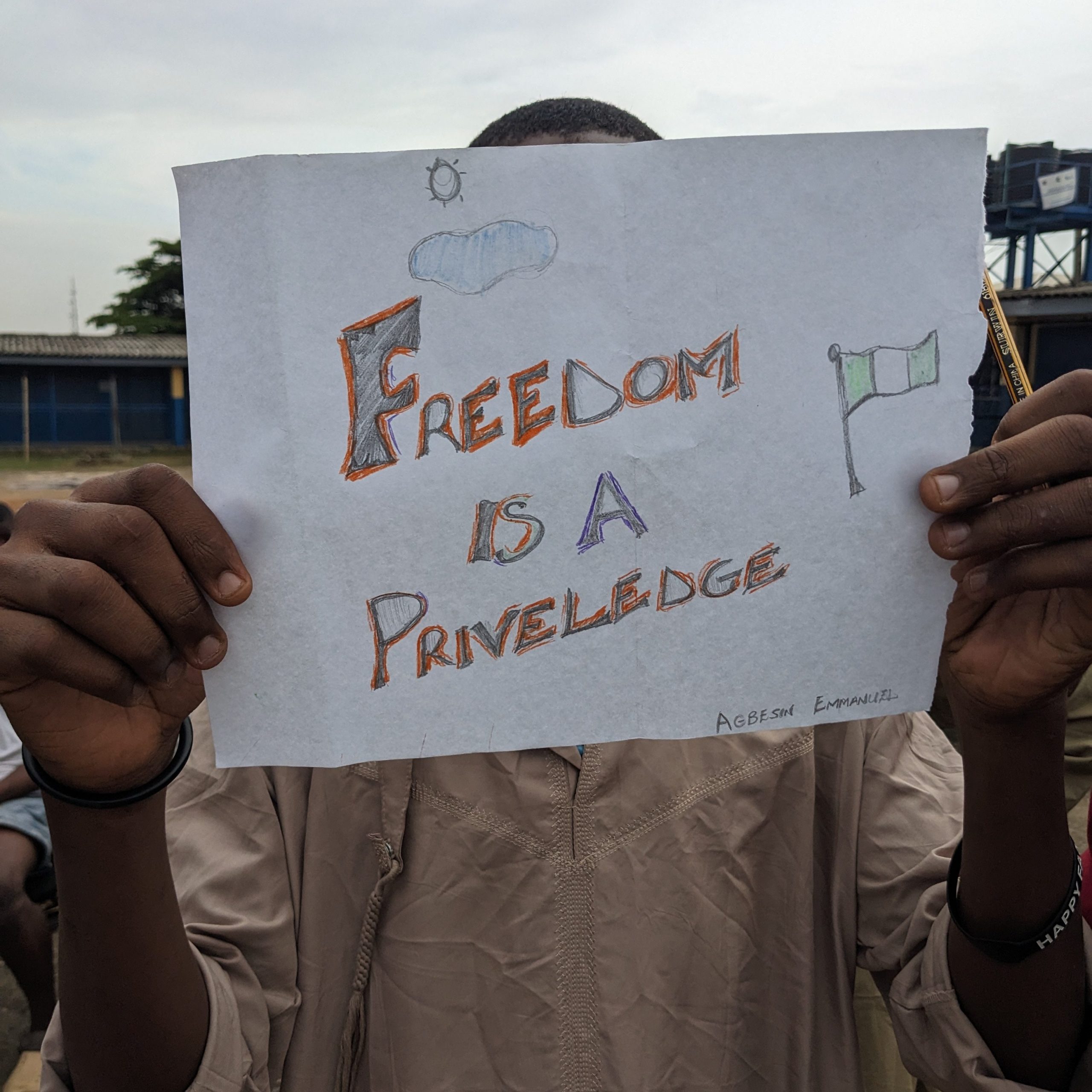
The six-month program was designed to break the cycle of crime and incarceration by equipping young people with practical life skills, emotional tools, and positive values. Our objective was simple but powerful: to help them build confidence, manage conflict peacefully, regulate their emotions, and prepare for a safer future beyond the correctional centre. Over the course of the project, we reached more than 150 girls and boys through structured weekly sessions, individual counselling, and mentorship activities.
The program covered key topics such as conflict resolution, confidence building, emotional resilience, sexuality education, consent, and bullying prevention. We used interactive methods like role-play, storytelling, group discussions, talent competitions, and practical exercises to make learning relatable. An educational psychologist provided counselling support to participants dealing with anger, trauma, identity struggles, and even suicidal thoughts. We also partnered with a representative from Seefar Foundation to educate participants about the dangers of irregular migration and how traffickers often disguise exploitation as opportunities for a better life. Because many of the boys were in the facility for sexual-related offenses, we held honest and structured conversations around consent, respect, and accountability, challenging harmful beliefs and encouraging empathy.
The feedback we received from participants and the administration were encouraging. Several participants reported improved self-control, better anger management, and stronger decision-making skills. A large number committed to returning to school or enrolling in vocational training after release. Others expressed a desire to pursue careers in music, sports, fashion, and technology. Some participants asked for help reconnecting with their families, and we began contact tracing efforts to support reintegration. Following the success of the project, we received a rapid response grant to further strengthen our monitoring and evaluation systems. Since completion, some participants have reached out to share updates about their progress, a powerful sign that the lessons are lasting beyond the centre walls.
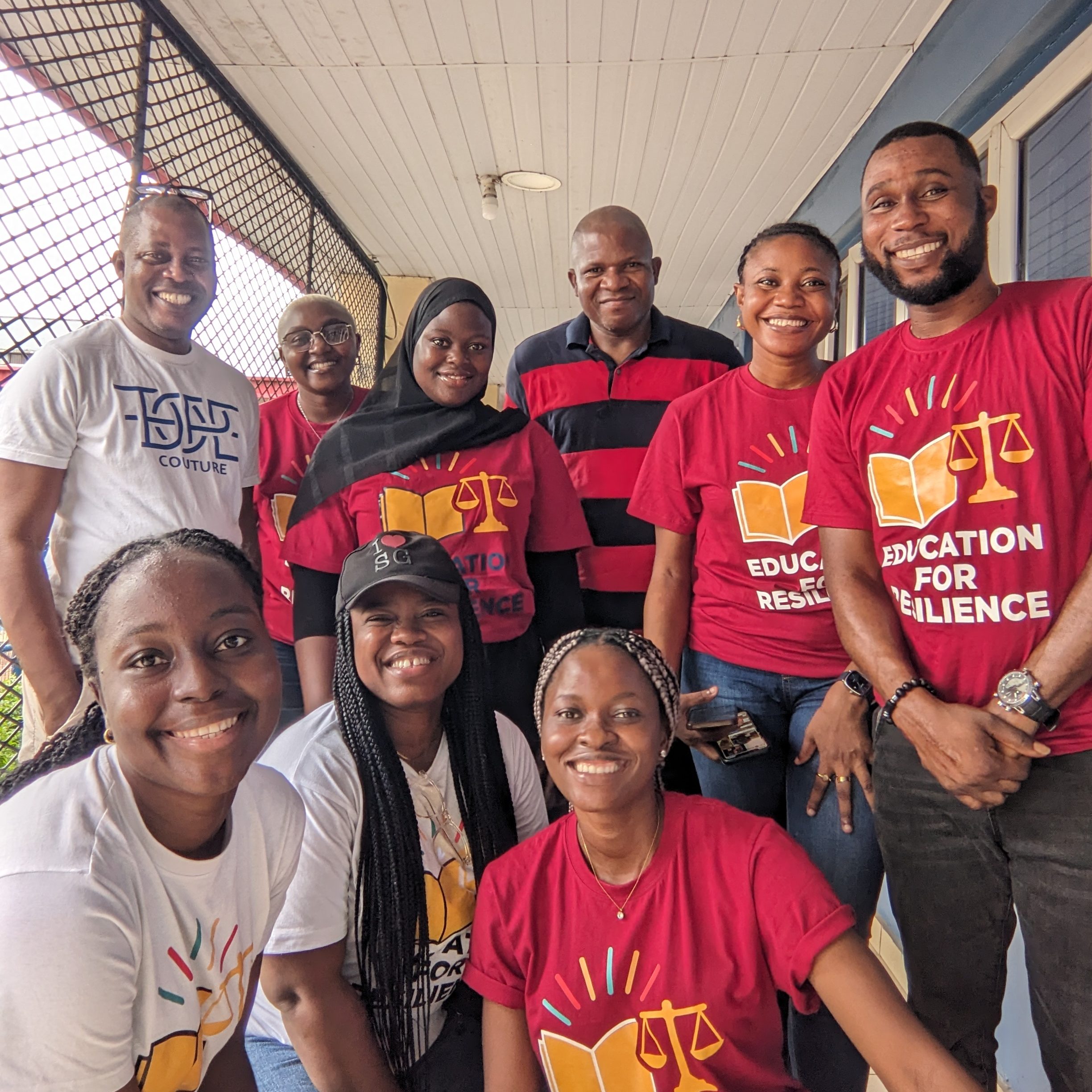
As the project came to a close, we were honored to we were honored to welcome Jacques Muhindo, a representative of the Resilience Fund, to Lagos to meet with our team and witness the impact of the program firsthand. His visit provided an opportunity to engage directly with the work on the ground, reflect on lessons learned, and discuss the transformation we were beginning to see among the participants. It was a meaningful moment of accountability and shared ownership
The visit also aligned with the Rapid Response Grant we received to strengthen our monitoring and evaluation processes. This additional support enabled us to conduct a more thorough assessment of behavioral change, resilience outcomes, and reintegration readiness. Having the opportunity to collaborate closely with the Resilience Fund gave us both the agency and partnership needed to refine our approach, strengthen our systems, and ensure the long-term sustainability of the project. Together, these efforts helped ensure the program closed not only successfully, but with measurable impact and a stronger foundation for future work..
We are deeply grateful to the Resilience Fund for their partnership and belief in prevention, rehabilitation, and second chances. We also appreciate the leadership and staff of the correctional centres in Lagos for their collaboration, trust and active contribution in making this project a success. Together, we are helping to build safer communities by ensuring that vulnerable children and youth are not defined by their past, but empowered to shape a better future.